The Problem
Designers have access to powerful AI tools, but lack structured ways to integrate them into their workflows. As a result, AI usage remains reactive, fragmented, and driven by speed rather than intentional thinking.
Designers have access to powerful AI tools, but lack structured ways to integrate them into their workflows. As a result, AI usage remains reactive, fragmented, and driven by speed rather than intentional thinking.
The Solution
Creative Currents introduces a behavioral design system that helps designers map, reflect on, and optimize how they use AI, shifting from instinctive usage to more deliberate, high-quality creative decision-making.
Creative Currents introduces a behavioral design system that helps designers map, reflect on, and optimize how they use AI, shifting from instinctive usage to more deliberate, high-quality creative decision-making.

CREATIVE CURRENTS
CREATIVE CURRENTS
Designing How Creatives Evolve with AI
AI is not replacing creativity; it’s reshaping how it flows. Today, designers are no longer just makers. We are orchestrators of tools, systems, and intelligence. But while access to AI has expanded rapidly, the way we use it remains largely unstructured, reactive, and inconsistent.

RESEARCH METHODS
Co-Creating the Flow
Before designing anything, I needed to understand the currents beneath the surface — the real behaviors, frustrations, and unmet needs of designers navigating AI adoption.

Exploration
Mapping the ecosystem of tools, workflows, and behaviors

Co-Creation
Engaging designers through conversations and feedback loops

15
in-depth interviews with creatives
20+
tools explored firsthand as diary studies
25+
articles and resrouces synthesised
15
in-depth interviews with creatives
20+
tools explored firsthand as diary studies
25+
articles and resrouces synthesised

17
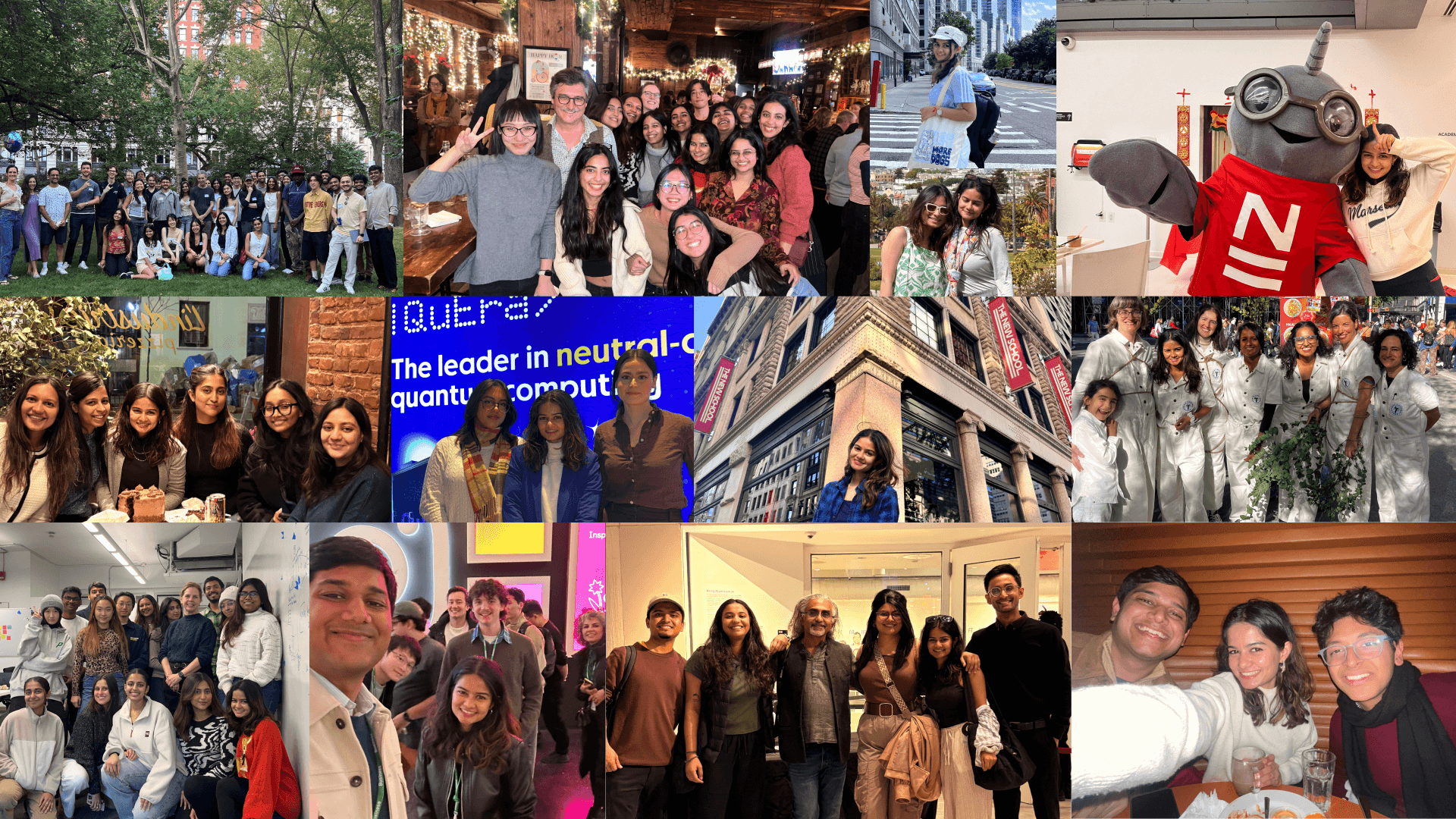
Design/AI meetups attended
This process ensured that the solution remained grounded in real creative practices, not assumptions.


Iteration & Pivots
From tool recommendation → workflow mapping
From static guides → interactive systems
From information → behavior change

Data-Driven Approach
Anayzed trends and use behaviour to uncover insights that shape smarter decisions— all backed by research data.
Data-Driven Approach
Anayzed trends and use behaviour to uncover insights that shape smarter decisions— all backed by research data.
Data-Driven Approach
Anayzed trends and use behaviour to uncover insights that shape smarter decisions— all backed by research data.
About Aicron
Whom does problem affect?
The Designer, The Organisation and The Industry
Whom does problem affect?
The Designer, The Organisation and The Industry



The Designers
Organisations
Creative Industry
For designers, the rise of AI brings the risk of becoming commodity producers unless they differentiate beyond automated outputs. Many face pressure to upskill rapidly or risk obsolescence, while struggling to preserve creative integrity amid demands for speed. Organizations expect AI-driven growth but lack clear strategies, risking homogenized brands and difficulty hiring hybrid talent. At an industry level, design risks becoming fast, cheap, and uniform—eroding craft, diversity, and signaling the need for new educational models.
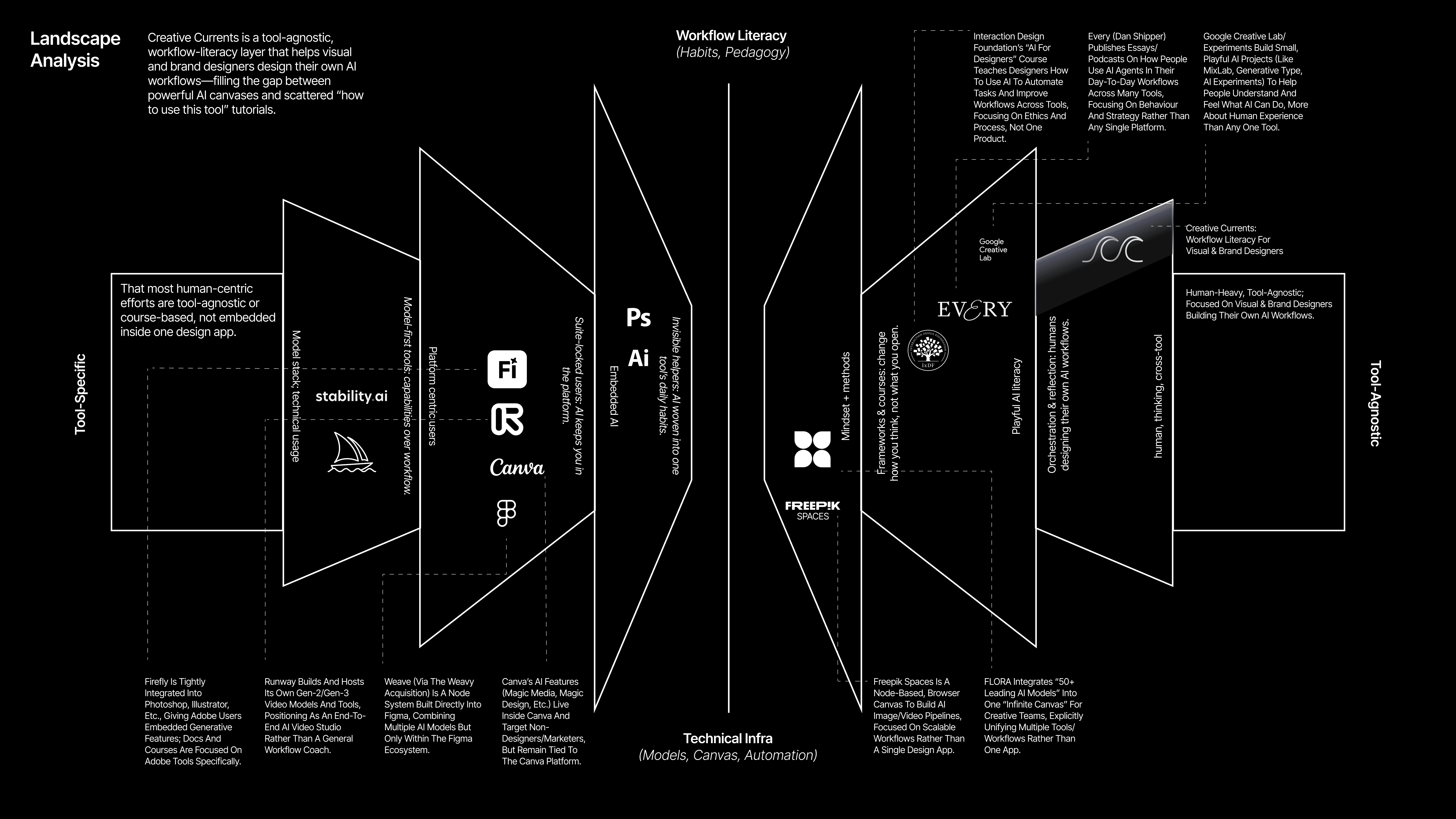

INSIGHTS
What I Discovered Beneath the Surface
Conducted conversations with designers across experience levels
Mapped AI usage behaviors, not just tools
Identified patterns in how decisions are made
Four consistent patterns emerged across every conversation and workflow mapped:
Designers default to System 1 AI usage (quick prompts, low reflection)
Designers default to System 1 AI usage (quick prompts, low reflection)
There is no shared mental model for integrating AI into workflows
There is no shared mental model for integrating AI into workflows
Most workflows are tool-centric, not outcome-centric
Most workflows are tool-centric, not outcome-centric
Designers want guidance but not rigidity
Designers want guidance but not rigidity
PIVOTAL INSIGHTS // signal vs. noise
PIVOTAL INSIGHTS // signal vs. noise
The pivots, co-creation, and the intellectual honesty of changing direction based on evidence.
How listening to designers reshaped the entire concept three times. Every pivot was evidence-driven. Each shift closed the gap between what seemed like the problem and what the problem actually was.

1.
From Educational Toolkit to Decision-Support System
The first assumption was that designers needed to learn how to use AI tools better. Research showed that wasn't the issue. Designers already knew the tools existed; they just had no reliable way to decide which one to use, when, and why. The product shifted from an educational resource to a real-time decision support layer.
1.
From Educational Toolkit to Decision-Support System
The first assumption was that designers needed to learn how to use AI tools better. Research showed that wasn't the issue. Designers already knew the tools existed; they just had no reliable way to decide which one to use, when, and why. The product shifted from an educational resource to a real-time decision support layer.

2.
From Tool Directory to Thinking Framework
The second direction was a tool benchmarking engine, a structured side-by-side comparison of AI tools by task type. Designers found this useful, but what the research actually surfaced was a deeper problem: most designers weren't stopping to think before they reached for a tool at all. The product needed to intervene at the moment of decision, not just inform it.
2.
From Tool Directory to Thinking Framework
The second direction was a tool benchmarking engine, a structured side-by-side comparison of AI tools by task type. Designers found this useful, but what the research actually surfaced was a deeper problem: most designers weren't stopping to think before they reached for a tool at all. The product needed to intervene at the moment of decision, not just inform it.

3.
From Generic Platform to Personalized, Compliance-Aware System
A group research session revealed that no two designers have the same workflow, the same constraints, or the same relationship with AI. A generic platform would serve no one well. The product became personalised by default, adapting to project type, work context, and individual habit from the first use.
3.
From Generic Platform to Personalized, Compliance-Aware System
A group research session revealed that no two designers have the same workflow, the same constraints, or the same relationship with AI. A generic platform would serve no one well. The product became personalised by default, adapting to project type, work context, and individual habit from the first use.
VALUE PROPOSITION
From Efficiency
to Creative Sovereignty
From Efficiency
to Creative Sovereignty
Creative Currents is not built to make designers faster. Speed is already what AI provides. The real gap is intentionality: the ability to stay in control of the tools rather than be led by them. The shift this product makes is from "AI is doing the work" to "the designer is directing the process." That is not an efficiency story. It is a creative ownership story
Co-Creating the Flow

Co-Creating the Flow
This project was not designed for designers, but with them.
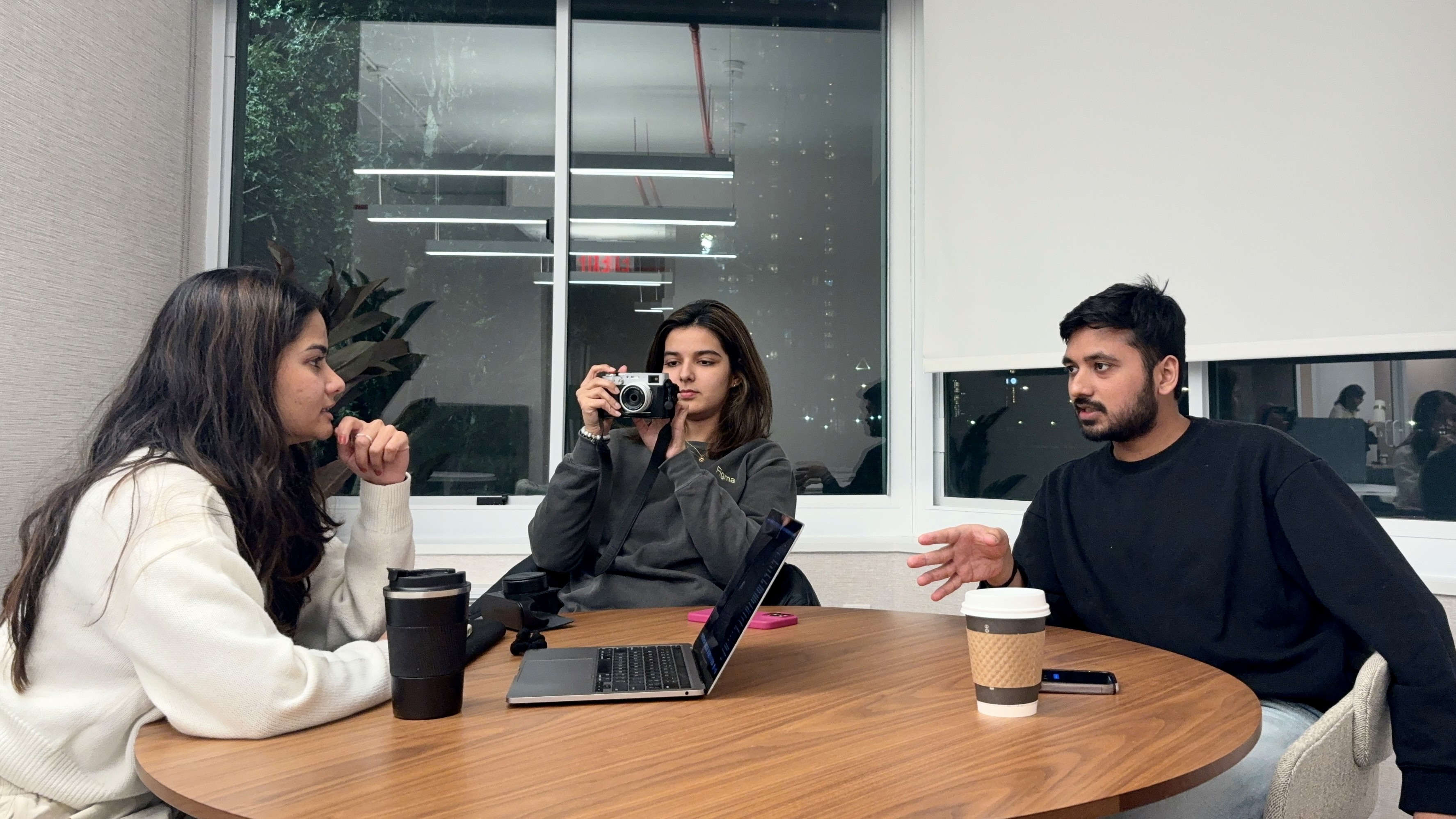
"The real value lies in personalization, helping different types of designers understand when, why, and how to use AI within real constraints like compliance, output formats, and company policies."

Ishaan Godha
Co-founder, Obvious AI
"The real value lies in personalization, helping different types of designers understand when, why, and how to use AI within real constraints like compliance, output formats, and company policies."
Ishaan Godha
Co-founder, Obvious AI
The gap is not technological. It isbehavioural + cognitive.
CC is a layer on top of all tools and models to help creatives track their usage.

Integrations
Integrations
Integrates with Your Favourite Tools
Creative Currents seamlessly integrates with popular platforms, enabling you to enhance your creativity without disrupting your workflow.


Reactive AI to
intentional, high-quality creative thinking.
Creative Currents is a behavioral design system that helps designers move from reactive AI usage to intentional, high-quality creative thinking.

Let's Collaborate!
I’m always up for creative collaborations and meeting new people. Drop a line and let’s make something great together!


Let's Collaborate! Don’t let your ideas sit idle. Slide into my inbox and let’s make magic!
Email me at: solankiswasti18@gmail.com
Information
Let's Collaborate!
I’m always up for creative collaborations and meeting new people. Drop a line and let’s make something great together!
Let's Collaborate! Don’t let your ideas sit idle. Slide into my inbox and let’s make magic!
Email me at: solankiswasti18@gmail.com
Information
Let's Collaborate!
I’m always up for creative collaborations and meeting new people. Drop a line and let’s make something great together!
Let's Collaborate! Don’t let your ideas sit idle. Slide into my inbox and let’s make magic!
Email me at: solankiswasti18@gmail.com
Information