Designing an Equitable Future in Lower Earth Orbit
NASA x Parsons
"Every space mission is a mission for humanity; the challenge is making people feel it."



Overview
Scope of the project
Client
NASA (National Aeronautics and Space Administration)
Domain
Strategic Design, Systems Thinking, Public Interest Design
Duration
15 weeks Conceptualisation to Delivery
Institution
Parsons School of Design, The New Schoolds.
Format
Speculative Strategy + Tangible Prototypes
My Role
Design Strategist: Research, Synthesis, Frameworks, Prototyping
MISSION BRIEF
The ISS Is Ending.
The Story Is Just Beginning.
The International Space Station will be decommissioned in 2030.
After 25 years of continuous human presence in space, the orbital laboratory that quietly improved life on Earth, including cancer detection, weather forecasting, food preservation, is being retired. NASA approached Parsons because their challenge wasn't scientific. It was strategic:
THE PROBLEM SPACE
Our analysis revealed a key insight: The benefits of space research are widely distributed, but the narrative about space is narrowly communicated. The conversation about space largely happens within scientific and policy communities, leaving the public disconnected from the impact.

Hidden Achievements
Space innovation is happening, but remains hidden unless actively searched.

Audience Gap
Space benefits are communicated mainly to scientists, missing other potential stakeholders.

Funding Imbalance
There remains a big gap in communicating that the space industry is not just for the big players but is accessible to all.
NASA excels at engineering and research, but translating complex science into compelling narratives that inspire public engagement remains a challenge. This created a critical question:
How might we ensure the next era of LEO is equitable, participatory, and supported by the public?
FUTURE OF SPACE WE ENVISION
Public Engagement
Commercial Activity
Governance
Scientific Research
Financing
Space sustainability
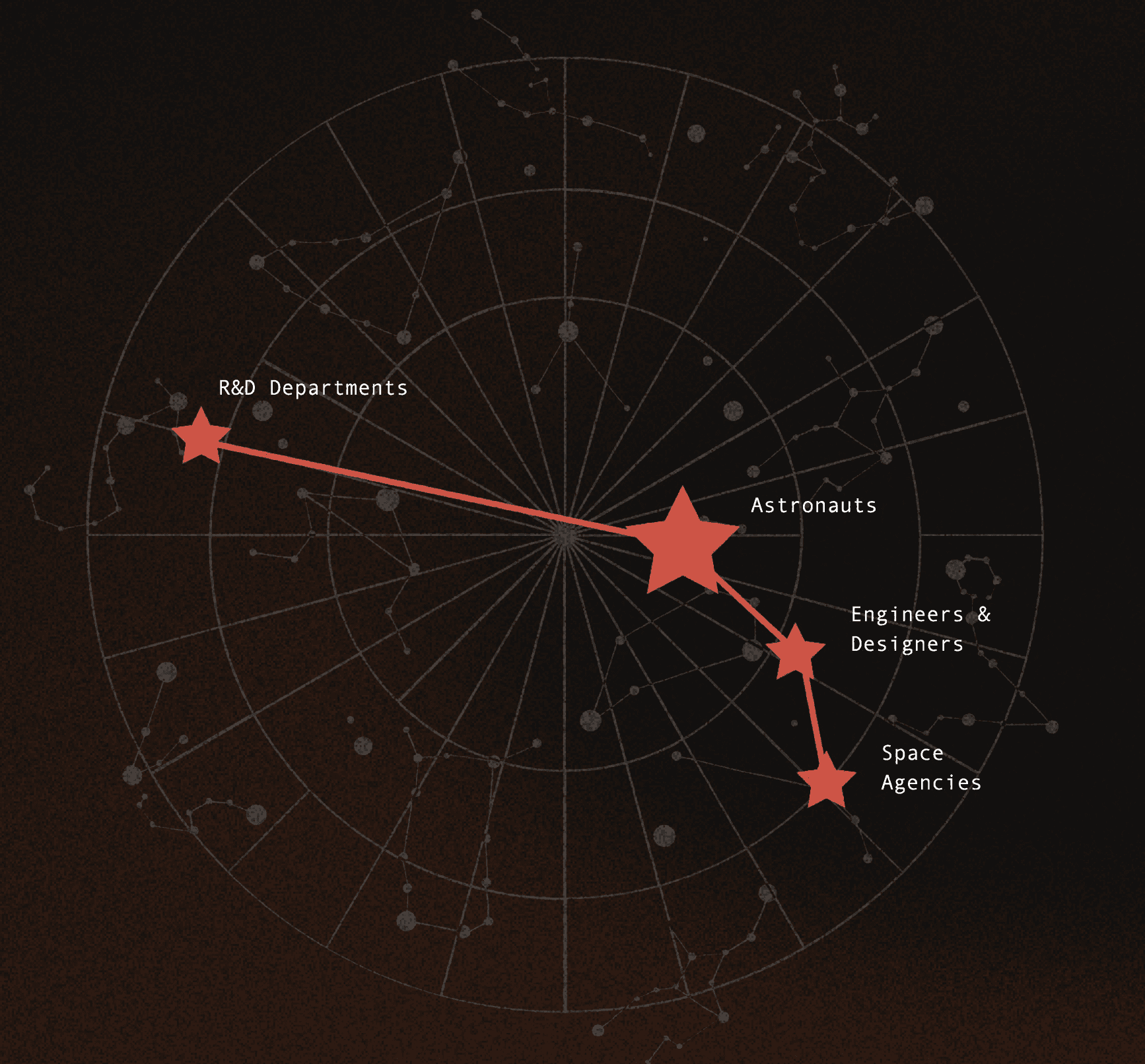
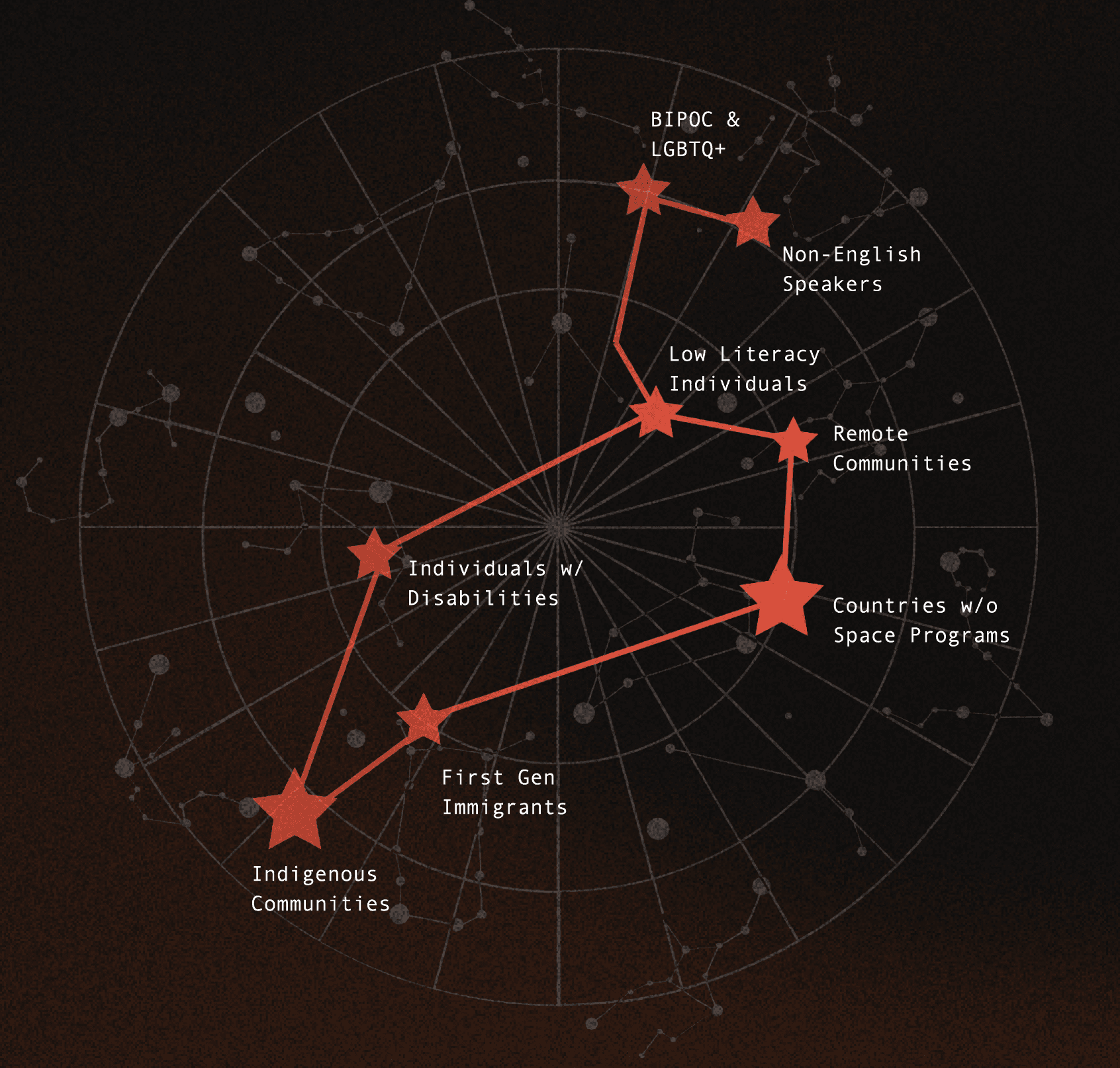
CONSTELLATION MAPPING
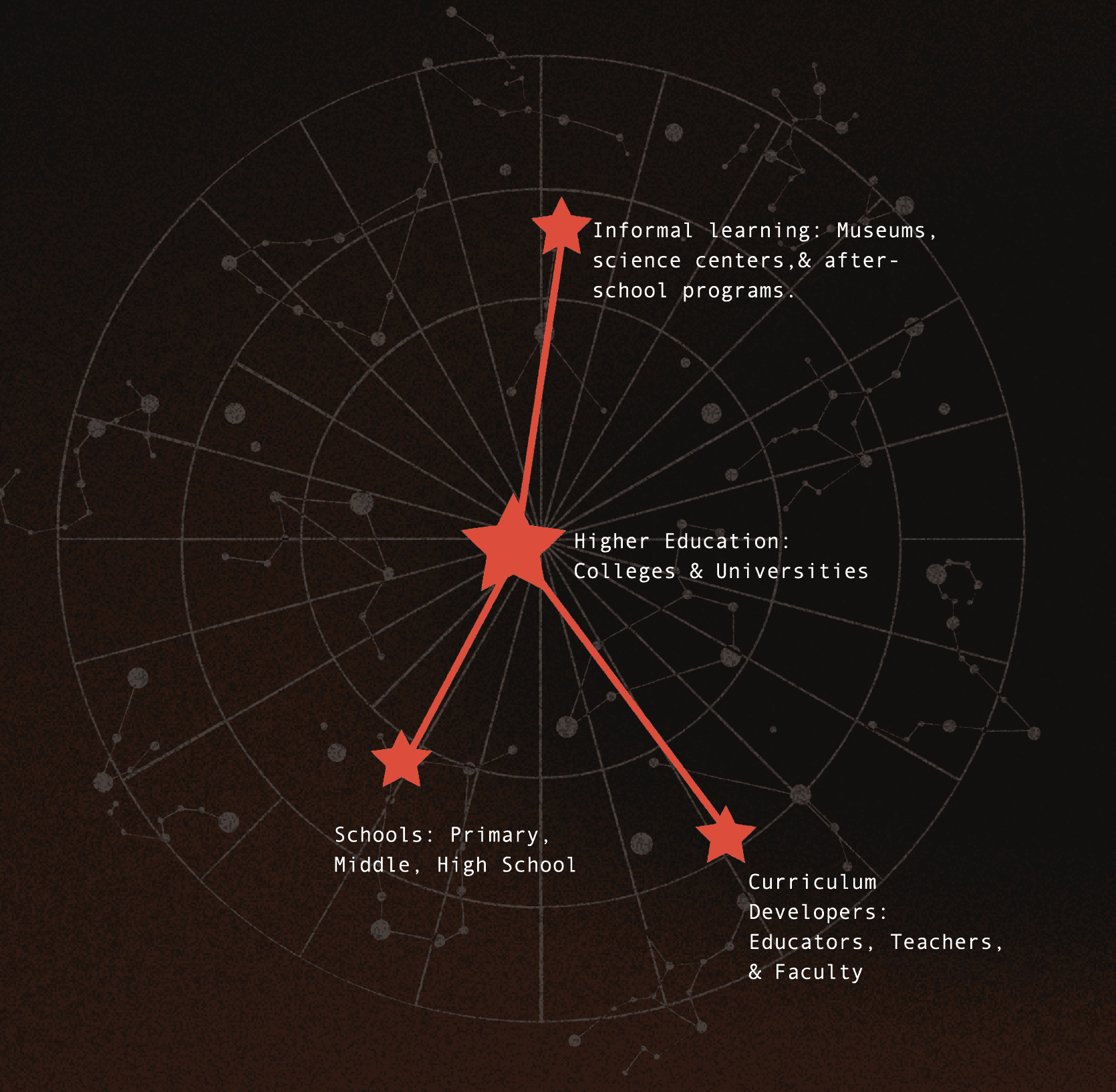
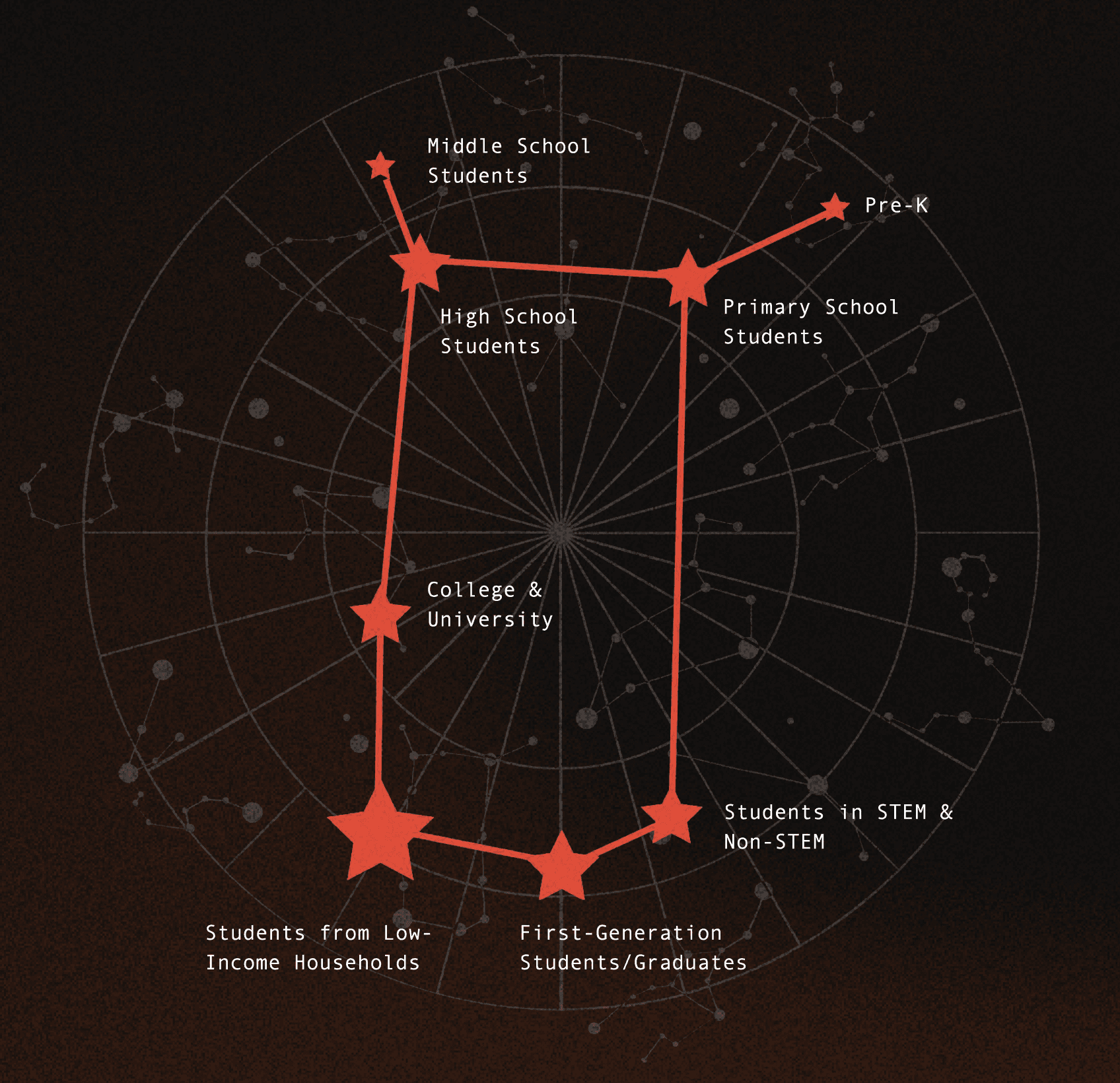
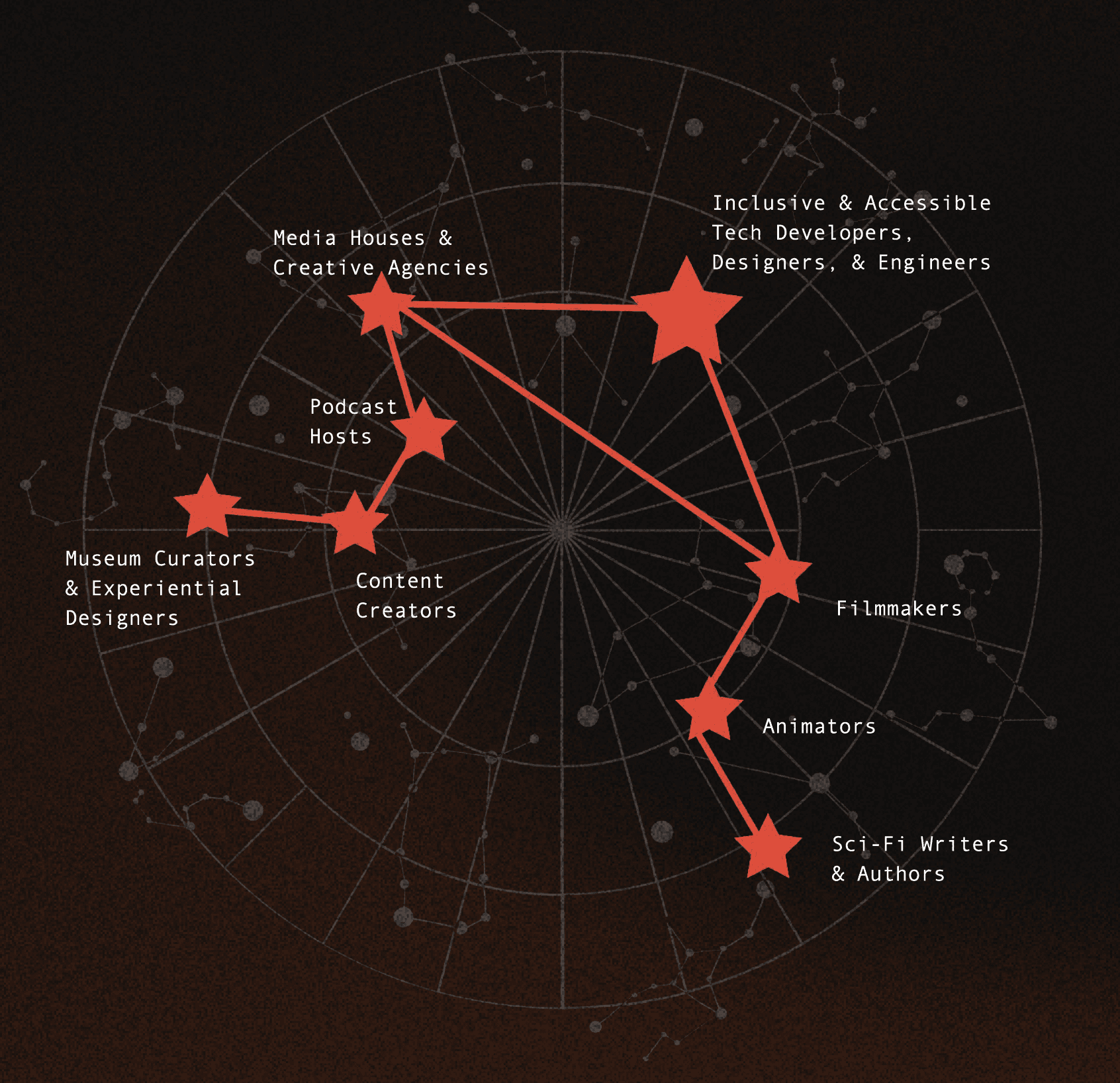
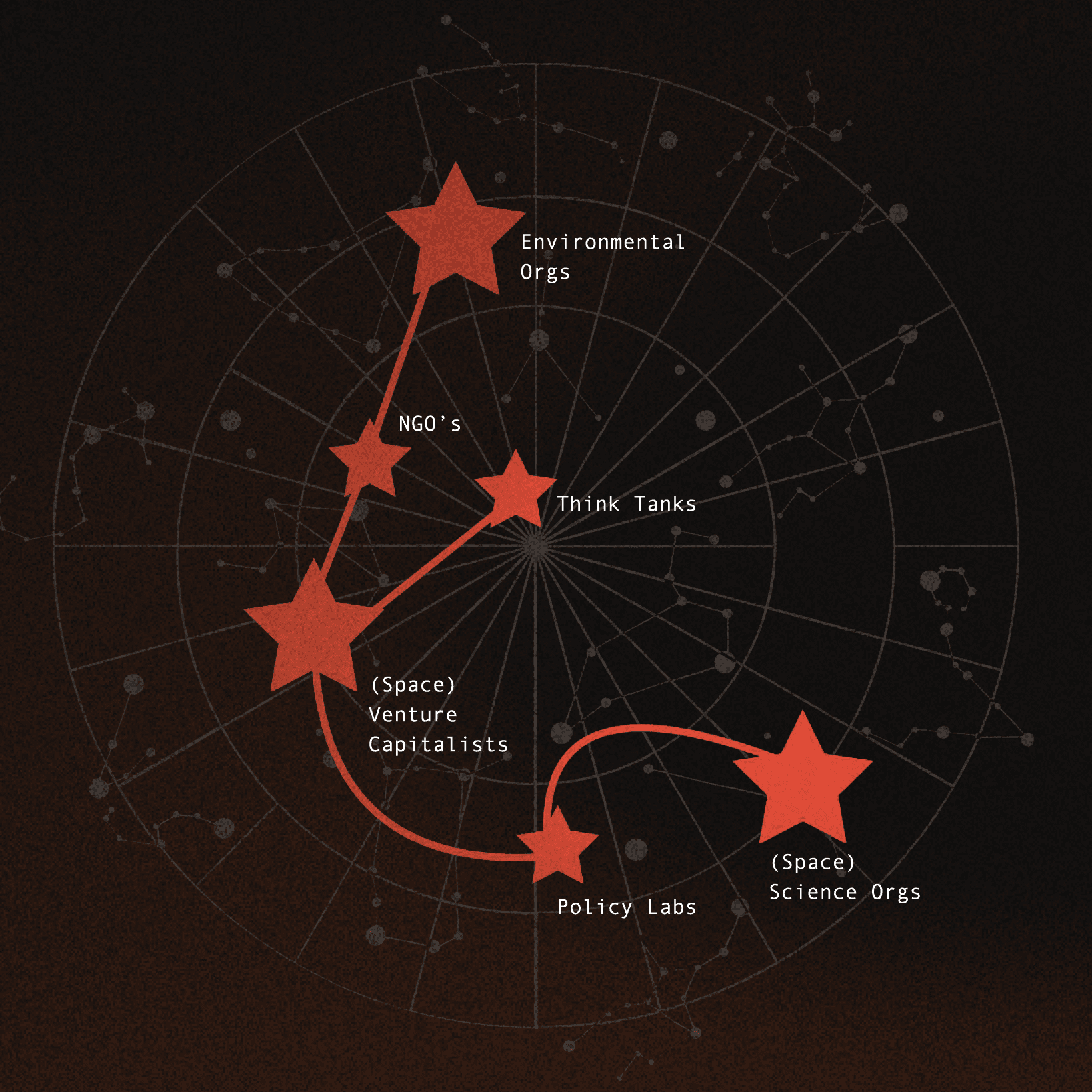
Who are we building this future for? The constellation mapping visualises the ecosystem of groups who shape, experience and are impacted by space exploration.
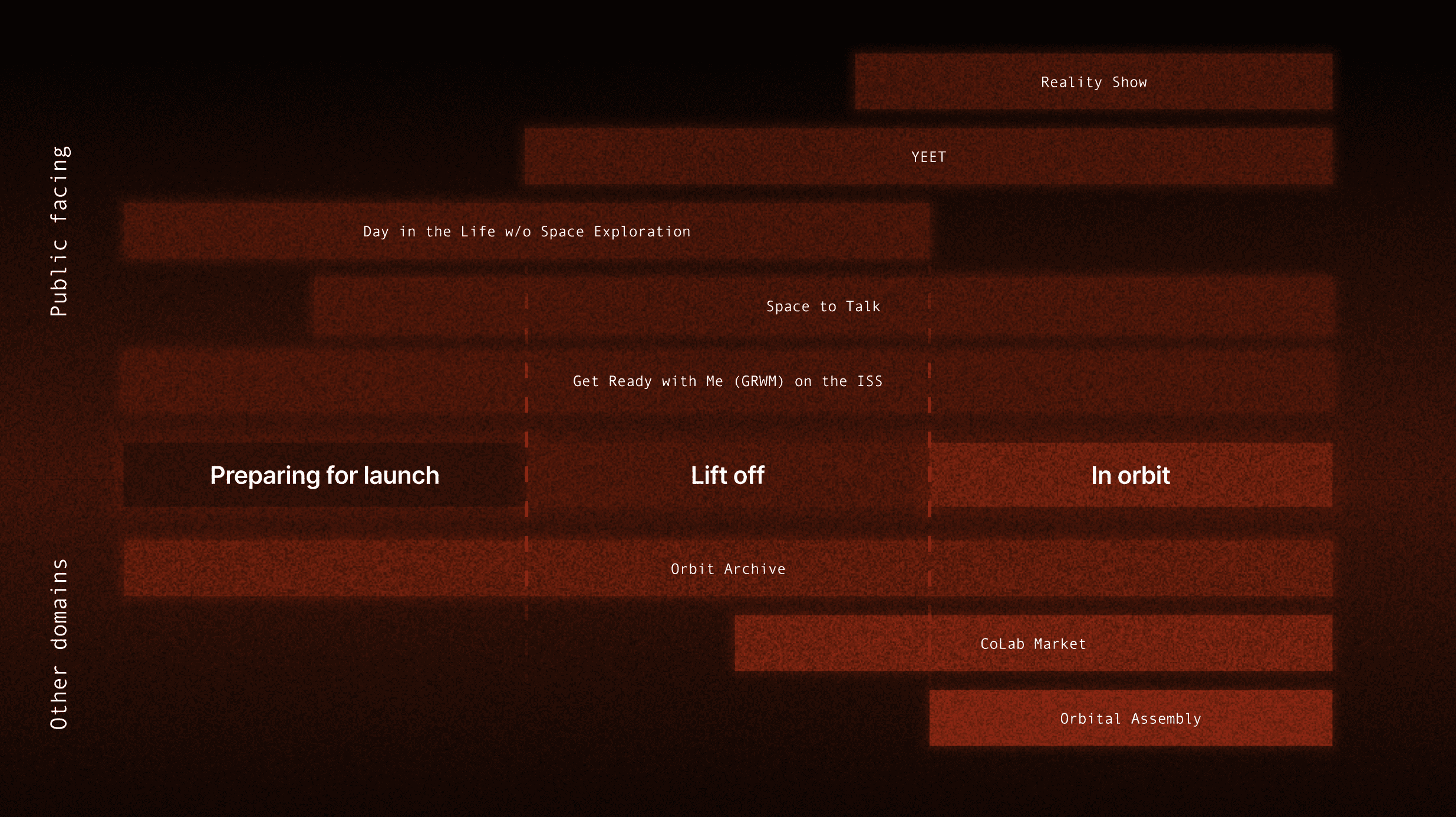
Three-Stage Roadmap
Prototypes
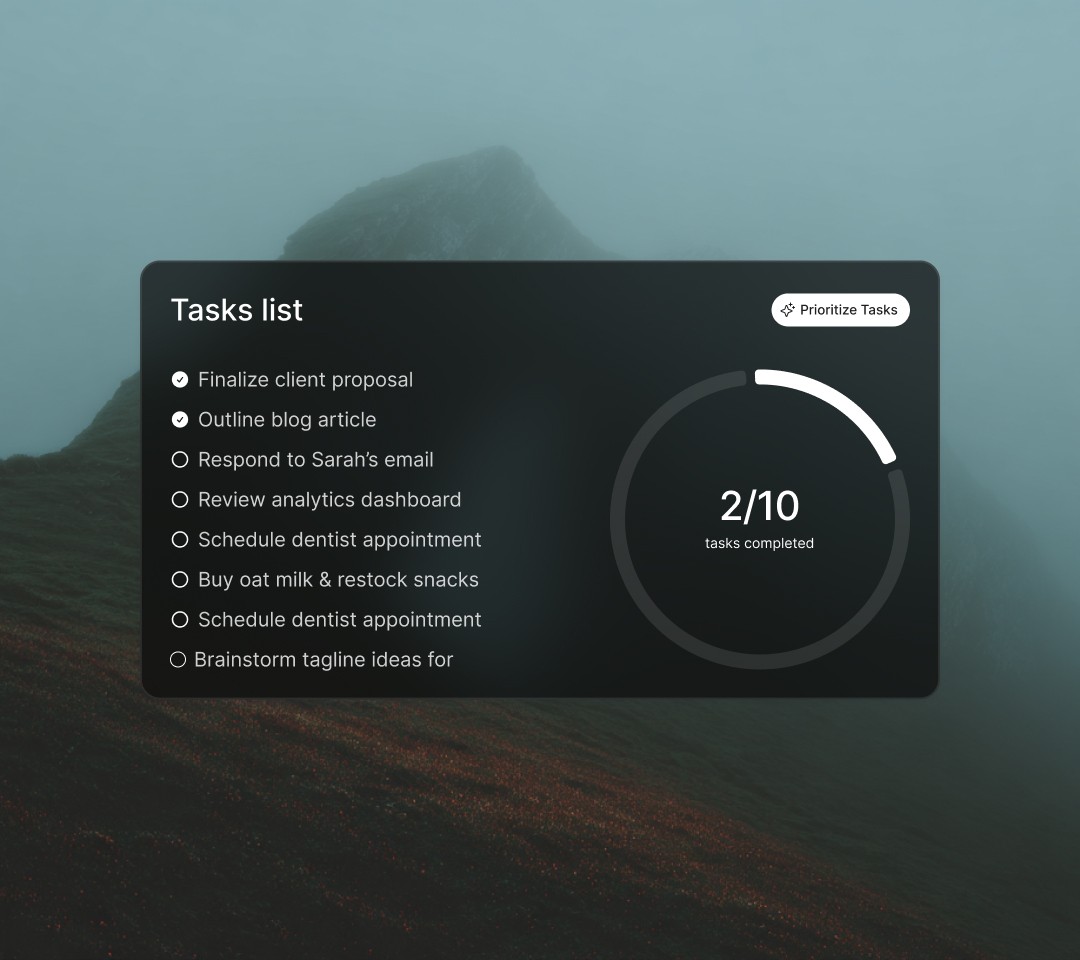
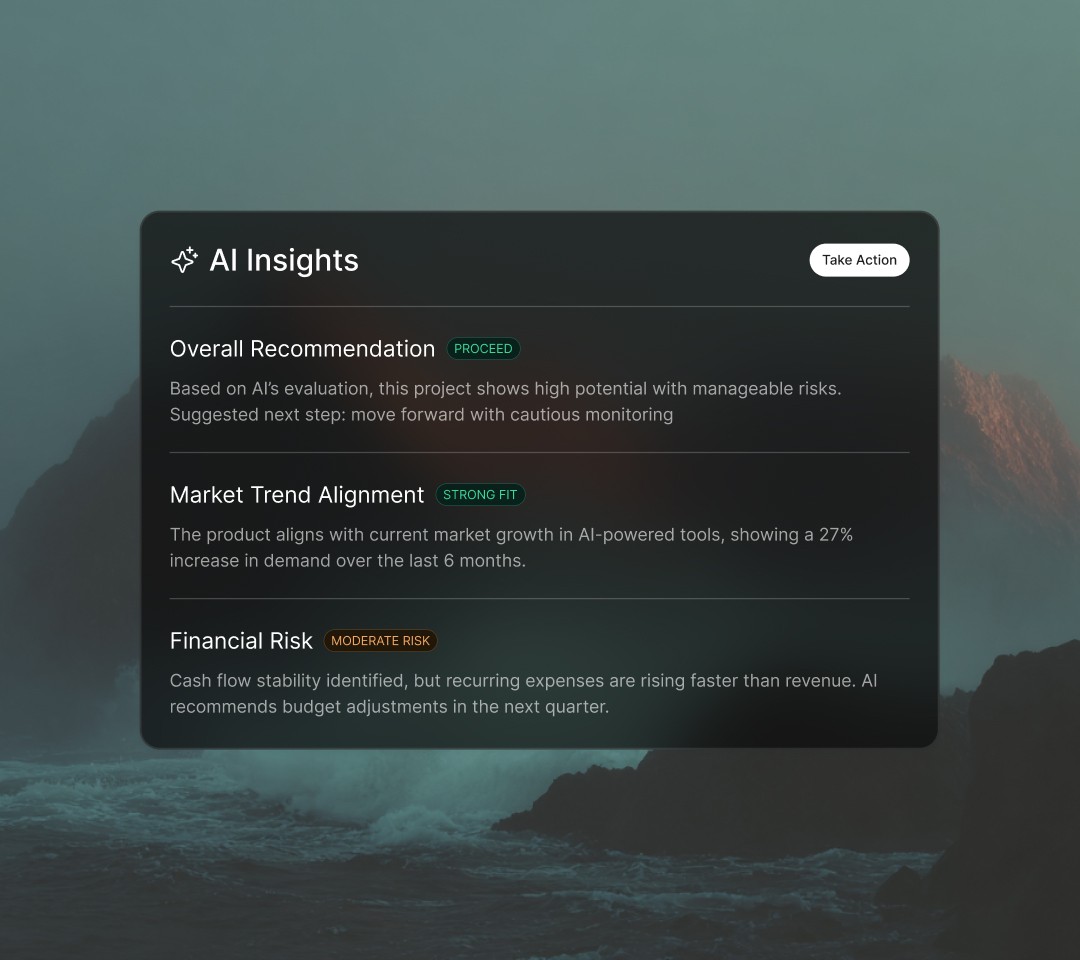
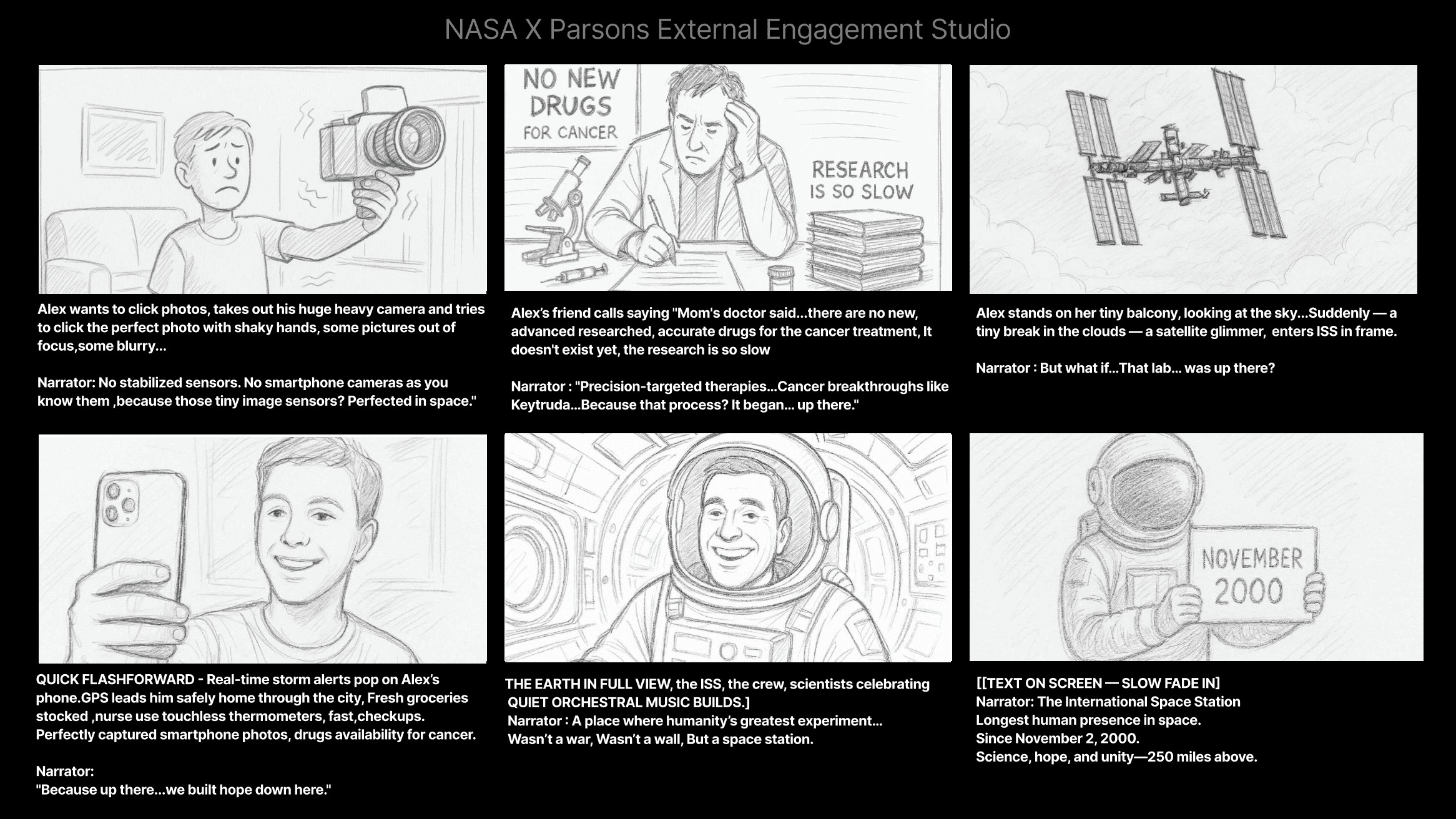
We synthesized all frameworks, prototypes, and metrics into a coherent strategic presentation, not as a finished product, but as a proof of architecture. We demonstrated that equitable LEO is not one intervention but a system of coordinated, mutually reinforcing actions across multiple time horizons and stakeholder groups.
MEASURED IMPACT
Funding Diversification
Expansion beyond federal funding; growth in civic and philanthropic co-investment; reduced budget-cut vulnerability
Public Participation
Increased engagement in NASA consultations; growth in community science; demographic range of participants
Emotional & Cultural Resonance
Documented shifts in public sentiment; growth in cultural representations; increased identification with space science in underrepresented communities
Talent Pipeline
Diversity in space-adjacent workforce; growth in educational partnerships; formation of sustained cross-sector networks
Second-Degree Impact
Policy shifts toward equitable LEO governance; sustained political support across funding cycles; increased international collaboration
LEARNING REFLECTIONS
FINAL ORBIT
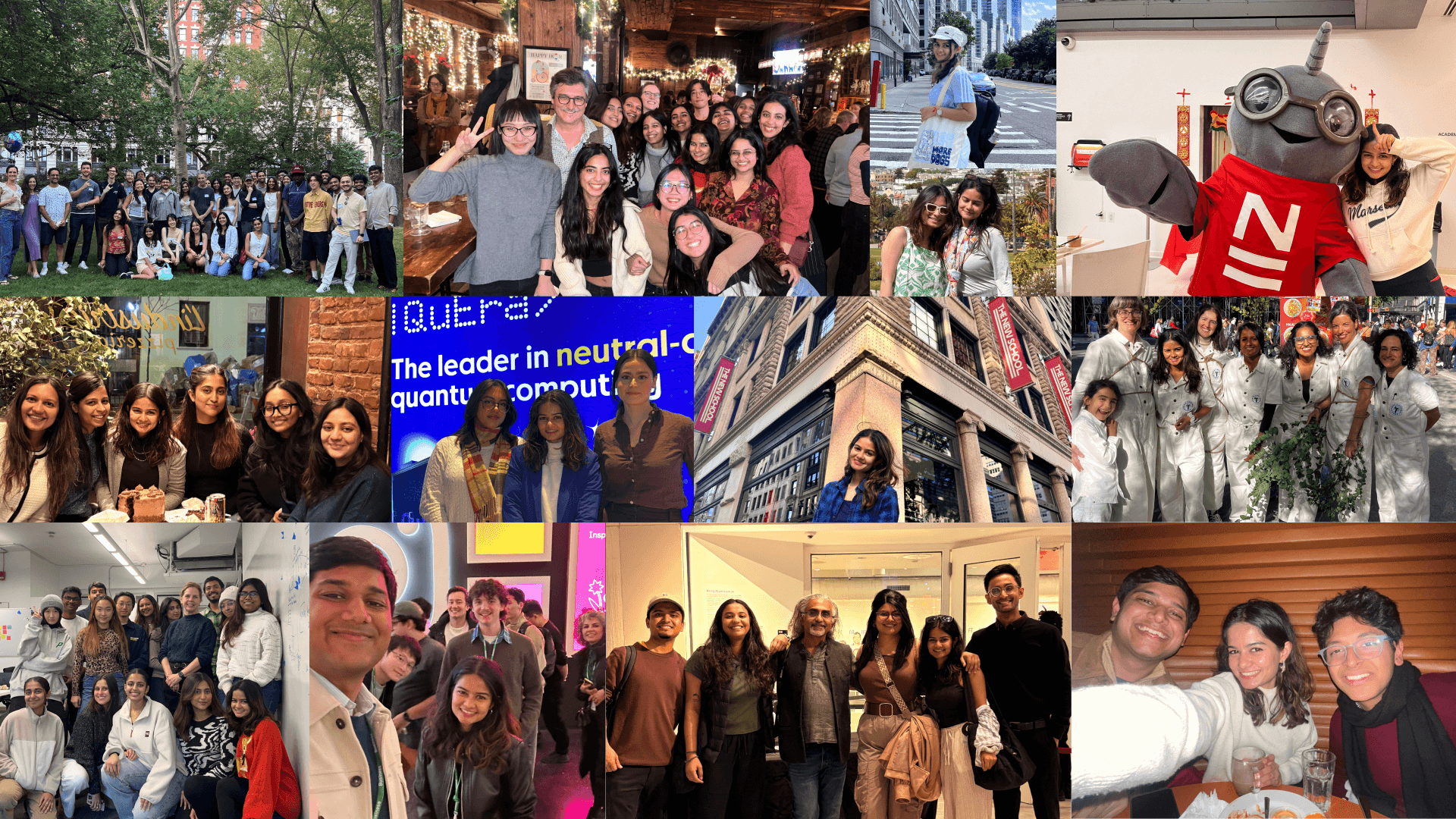
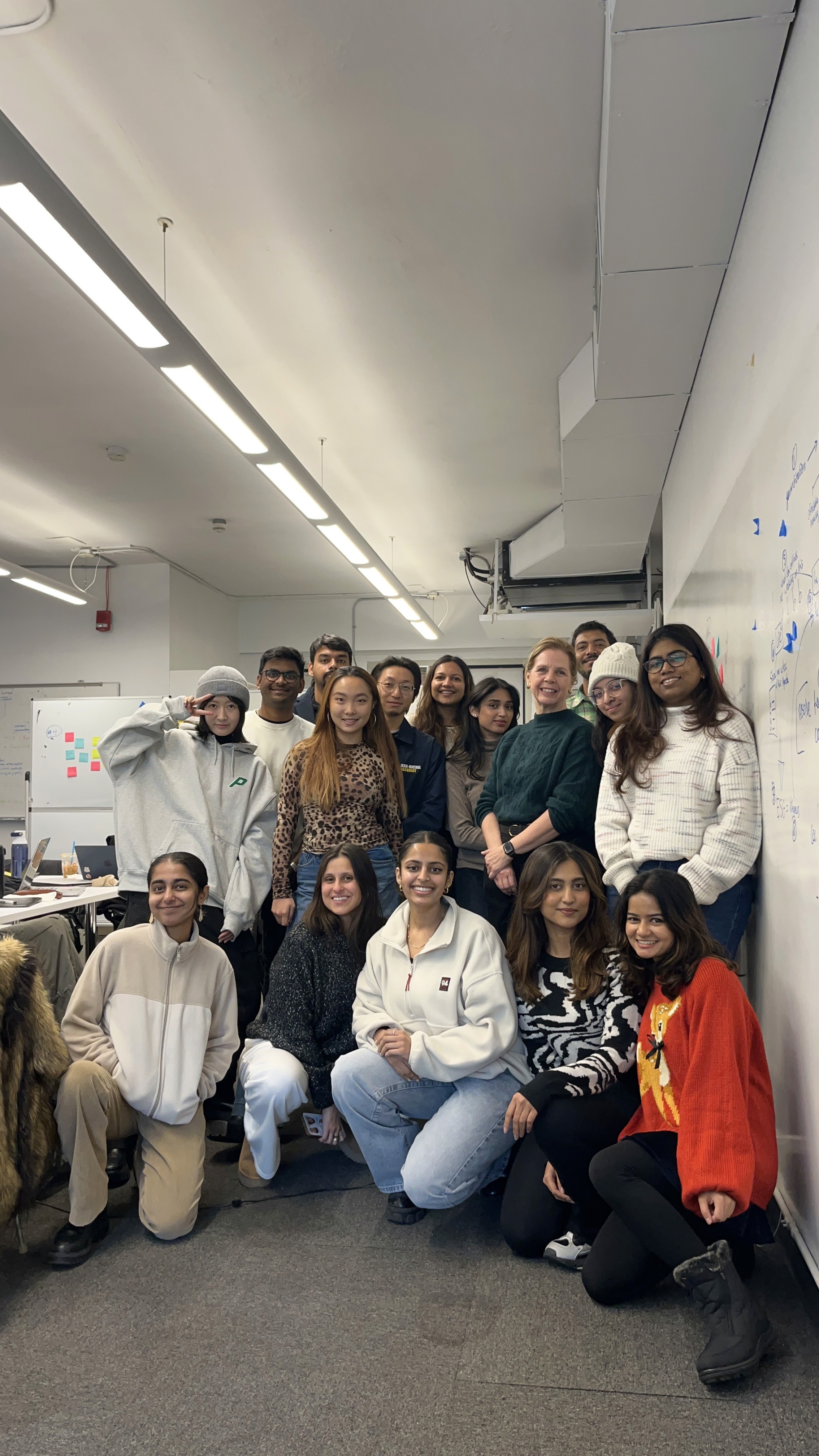
Thanks to my mentors and teammates without whom this project would not have been possible.
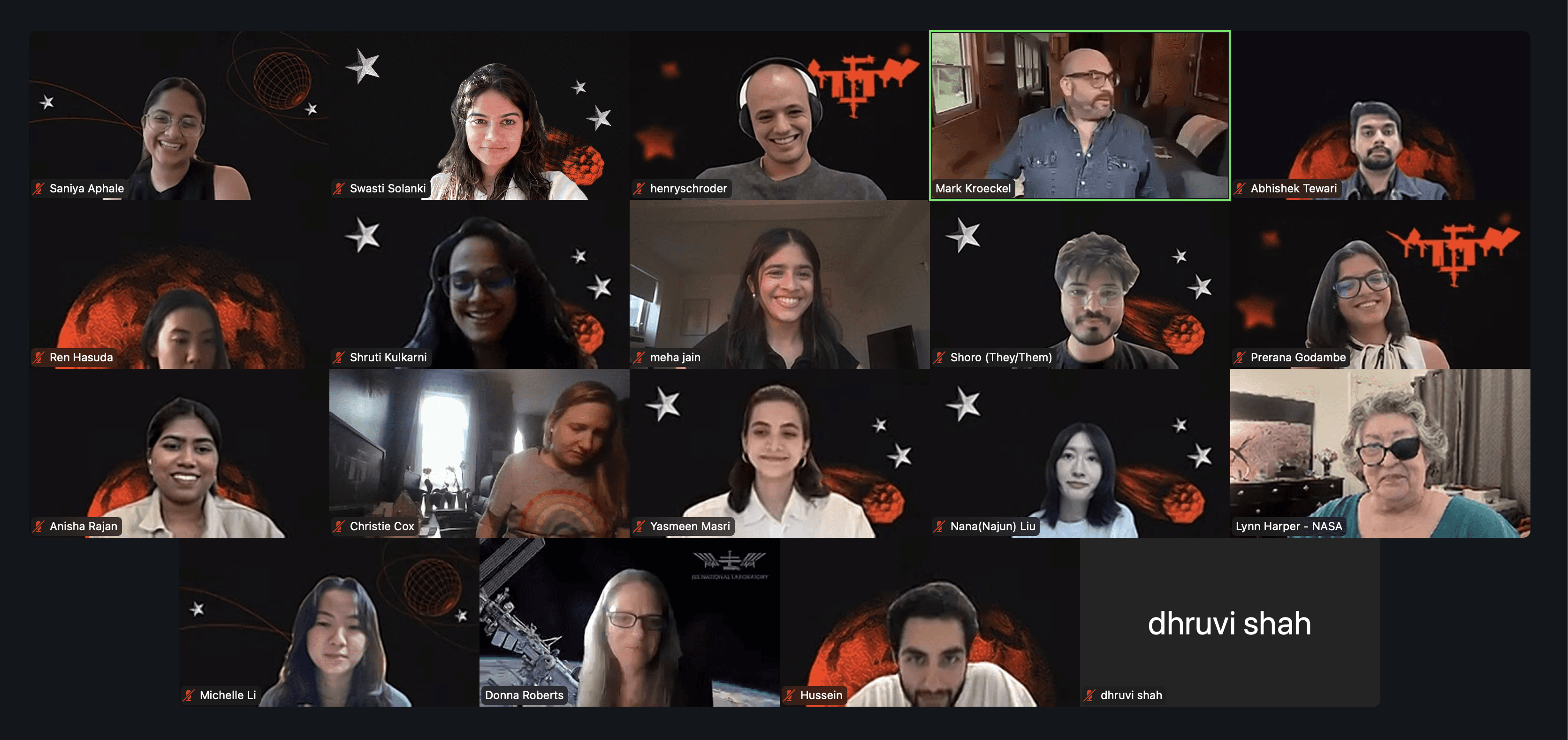
Contributions to this initiative have been made by Swasti, Anisha, Ren, Michelle, Abhishek, Khush, Saniya, Meha, Shoro, Dhruvi, Shruti, Henry, Nana, Hussein, Prerana, and Yasmeen. The project has been guided and facilitated at every stage by our professor, Mark Kroeckel and Christie Cox and Lynn Harper, NASA, ISS.
Thanks for reading till the end.
Interested in learning more? Request for a detialed appendix of the project.